
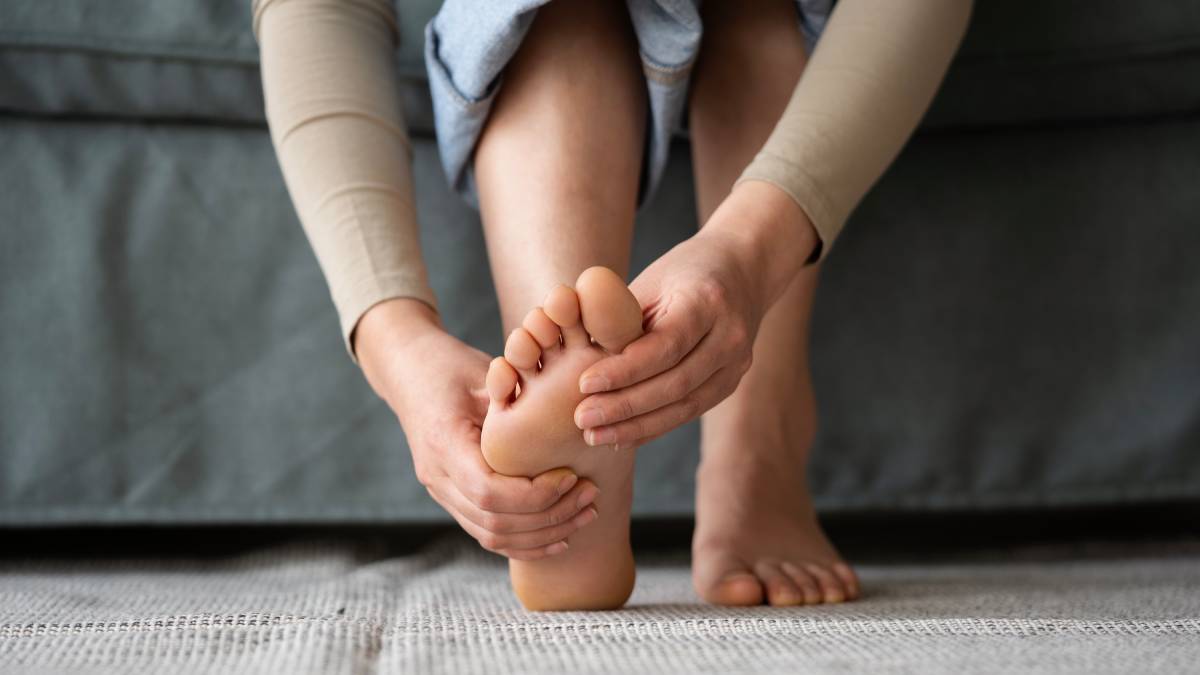
Achilles tendinitis is a common cause of heel and lower leg pain, especially among active individuals. The Achilles tendon is a thick band of tissue that connects your calf muscles to your heel bone. It is the tissue that absorbs stress every time you walk, run, climb stairs, or jump. Discomfort, stiffness, pain, and reduced mobility develop when this tendon becomes inflamed or irritated.
For anyone looking to prevent heel pain or injury, a visit to a podiatry center is a good idea, whether they are an athlete. It is important to understand the risk factors that contribute to a person developing this condition. So, what are the risk factors for Achilles tendinitis? Below are the most common.
What Are the Risk Factors for Achilles Tendinitis?
Sudden Increase in Physical Activity
A rapid jump in physical activity is one of the biggest contributors to Achilles tendinitis. This may include:
A sudden increase in running distance or intensity
The sudden addition of high-impact workouts
Participating in intense weekend activities with very little or no physical preparation
While the Achilles tendon adapts well to gradual rest, abrupt changes can overload it. This can cause micro tears and lead to inflammation.
Overuse and Repetitive Stress
People with physically demanding jobs, such as athletes and dancers, are at a much higher risk. Running, jumping, climbing, or any activity that involves repetitively pushing off the foot places continuous strain on the tendon. Your feet need enough rest and recovery time. Otherwise, chronic tendonitis may develop.
Proper Footwear Choices
Your choice of footwear is crucial. The shoes greatly influence the pressure placed on your Achilles tendon.
To avoid Achilles tendinitis, stay away from:
- Shoes with poor arch support
- Worn-out running shoes
- High heels that shorten the tendons over time
- Flat uncushioned shoes
Look for shoes that absorb shock well and position your heel correctly. Otherwise, your tendon will work harder than it should
Flat Feet or High Arches
The structure of your feet matters. If you are flatfooted, your foot will have a tendency to roll inward while walking or running. This will strain the muscles, tendons, and ligaments. This may cause the Achilles tendon to twist, leading to more pain.
On the other hand, if you have high arches, your feet may not absorb shock well. This forces the tendon to take more impact with every step you take.
Both conditions expose you to the risk of inflammation and micro-injuries.
Tight Calf Muscles
There is excessive pull in the Achilles tendon if the calf muscles are tight or shortened. Even normal walking or climbing can place more tension on the tendon when the calves are not flexible. People who sit for long hours or regularly wear heels are prone to having tight calf muscles.
Aging and Natural Wear
The older people are, the less flexible and more prone to injury the tendons become. There is also less blood flow to the area, which slows down the healing process. This is why people in their 40s and older are more vulnerable to tendinitis. This vulnerability increases if they return to high-impact activities without adequate conditioning.
Being Overweight
Since the Achilles tendon bears a significant portion of a person’s weight, the risk of inflammation and irritation increases with even just a small increase in weight.
Certain Medical Conditions and Medications
Some health conditions, like diabetes, high blood pressure, and certain inflammatory diseases, can make the tendon more fragile. In addition, certain medications, such as fluoroquinolone antibiotics, have been associated with tendon problems.
Cold Weather and Hard Surfaces
Tendons and calf muscles tighten when you train in cold environments, leading to increased chances of injury. Running or exercising on hard surfaces increases the impact on your feet and tendons.
Visit a Podiatrist Before Symptoms Get Worse
A combination of different factors usually causes Achilles tendinitis. By choosing appropriate footwear, stretching, gradually increasing activity, and paying attention to early signs of discomfort, you can help reduce your risk of developing this condition.
Protect your Achilles tendon to ensure long-term mobility and overall physical well-being. If you experience symptoms, rest your feet. But do not wait for your symptoms to get worse. Early diagnosis and management can help prevent your condition from becoming chronic. Have your feet examined by a qualified podiatrist. Book a consultation with us today.